World’s Leading Producer of Aluminum

Worldwide
Sustainability 
Sustainability ApproachSustainability of ProductsSustainability of ResourcesSustainability of Operations
Sustainability Overview

Take survey
Overview
Environmental
Social
Economic


Sustainability of Resources


Any industry that relies on natural resources, consumes the world’s energy resources, and creates waste materials and greenhouse emissions during its production process must confront the question regarding its long-term sustainability.


The short answer is this. Aluminum is an essential nutrient for a green world, and it substantially improves the fuel efficiency of other products and reduces their greenhouse gas emissions. The benefits that aluminum provides to other products substantially outweigh its front-end impacts. (See the Sustainability of Products section).


At the very front end of the aluminum-production process is the mining of bauxite, aluminum’s natural ore that is a mixture of silicon, iron, and aluminum oxides. Without bauxite, there would be no aluminum.


Alcoa currently mines bauxite in Australia, Brazil, Guinea, Jamaica, and Suriname. We send the mined bauxite to one of our refineries, many of which are located near bauxite reserves to reduce transportation costs. The close proximity of the mine and refinery also helps reduce greenhouse gas emissions.


During refining, bauxite is crushed and dissolved in a chemical solution containing caustic soda. The aluminum oxide separates from most of the iron and silicon impurities, and the wet oxide solution is dried to produce a white aluminum oxide powder called alumina. On average, we can refine about two tons of alumina from four tons of bauxite.


Alumina is the feedstock for smelting aluminum. During smelting, the alumina is dissolved in a molten cryolite solution (sodium aluminum fluoride) inside large furnaces called pots. When a powerful electric current is passed through the pot, molten aluminum metal separates from the alumina and is siphoned off. The metal is then cast into ingots of varying shapes and sizes. From two tons of alumina, we can smelt a ton of aluminum.


Bauxite mining, which is done in relatively shallow pits, disturbs the land and disrupts its biodiversity. Alumina refining creates waste in the form of bauxite residue, which is a sand and mud slurry that contains most of the iron and silicon impurities from the bauxite. We store the residue in impoundments that are capped and re-vegetated when they are full.


Smelting produces greenhouse gases and a waste known as spent pot lining, which is generated when the carbon and refractory lining of smelting pots reaches the end of its serviceable life. We have been a leader in finding ways to transform the waste into a raw material for other industries.


Making aluminum, particularly the smelting phase, requires significant electricity. As an industry, primary aluminum manufacturing consumes nearly 1% of the world’s supply of electricity every year. The refining and smelting processes also use substantial amounts of water and other natural resources.


Recognizing the impacts of the front end of our processes, it is imperative that we continuously minimize them and provide even more downstream benefits from the use of our material in other products.


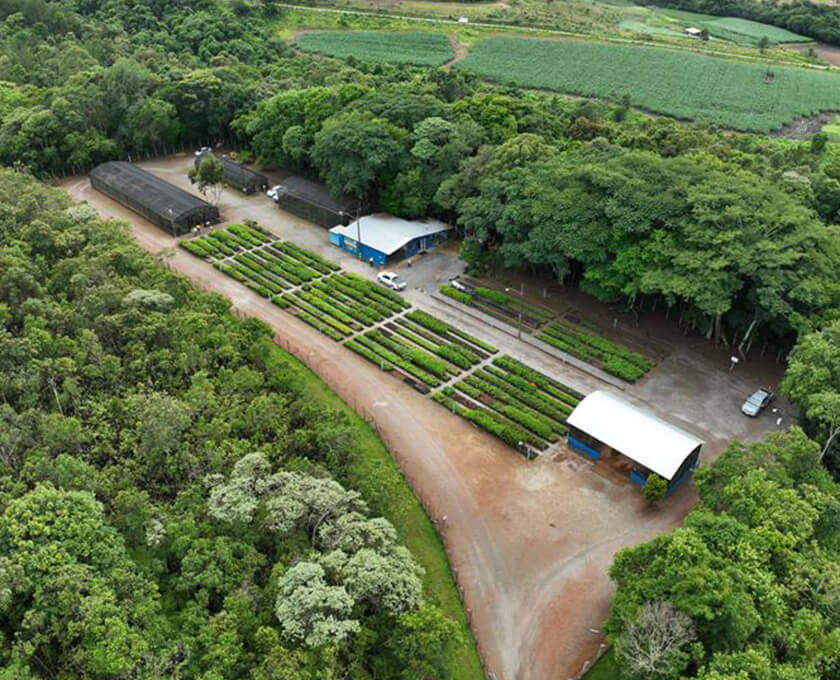
Sustainable mining requires that we minimize the footprint of disturbed land and implement progressive land-rehabilitation programs to restore the biodiversity of the areas we disturb. It also requires that we manage our water use in a way that preserves this precious natural resource, as well as the biodiversity connected to the water source.


Our use of hydroelectric facilities to generate power may also have effects on biodiversity. We work very hard to properly manage all of our hydroelectric facilities to ensure that the reservoirs and water releases do not cause negative impacts.


We have been focused on decreasing the energy intensity and greenhouse gas emissions in both our refining and smelting processes since 1990, and we have shown dramatic improvements in both areas. In 2010, we recommitted to driving even further improvements in these processes by setting new 2020 and 2030 goals that will ensure that we stay ever-vigilant in minimizing our impacts and preserving our natural resources. Our aspiration is to ensure that we are carbon neutral by 2030 and that society continues to devote resources to the manufacture of primary aluminum.


We continue to work hard to reuse all of the waste products from our processes and to find new ways to minimize our waste streams. Our new 2020 and 2030 goals provide specific objectives for managing our bauxite residue and spent pot lining. We are also working hard on technologies, such as the inert anode and the carbothermic process, to reduce both our energy consumption and emissions. (See the Sustainability of Operations section.)


One of the characteristics of aluminum that makes it so beneficial is its infinite recyclability. Re-melting aluminum scrap to reuse the valuable aluminum requires only 5% of the energy required to make primary metal. Aluminum scrap also can be put back into use in very high-value product applications, such as making aerospace sheet from high-end aluminum alloy scrap. Aluminum does not have to be reused on lower-end products, which is the case with many other materials, such as plastics.


At Alcoa, we remain steadfastly committed to ensuring that no valuable aluminum ends up in a landfill. We also remain focused on continuously minimizing our impact and on fully reusing the waste streams from our processes to help alleviate the resource constraints of the future.


Resources Targets Progress Achieved Through Year-End 2010
Sustainability of Resources Achieve a five-year average mine land disturbance/mine rehabilitation ratio of 0.75:1.0 by 2020; 1:1 by 2030. 1.15:1
go
From a 2005 baseline, 20% reduction in bauxite residue land requirements per million metric tons of alumina produced by 2020; 40% by 2030. 3%
go
Rehabilitate 30% of total residue storage area by 2020; 40% by 2030. 18%
go
Recycle or reuse 15% of residue generated by 2020; 30% by 2030. 0%
go
Develop biodiversity plans for key locations by 2015. Two pilot plans initiated
go
Copyright © 2012 Alcoa Inc.
country sites

customer login