Global Primary Products Greenhouse Gas Emission Intensity
GPP Greenhouse Gas Emission Intensity
View Graph
Greenhouse Gas Emissions
View Graph
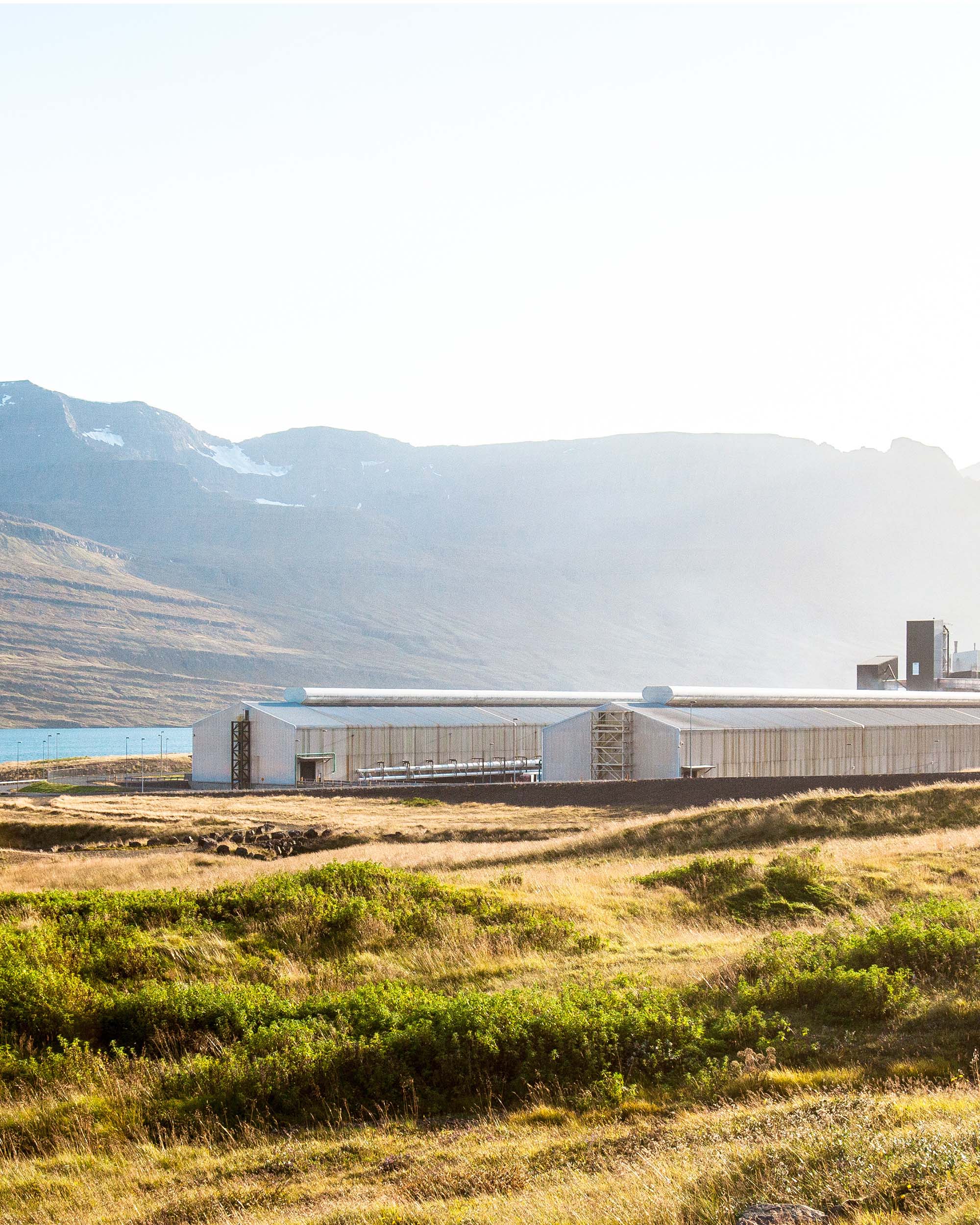
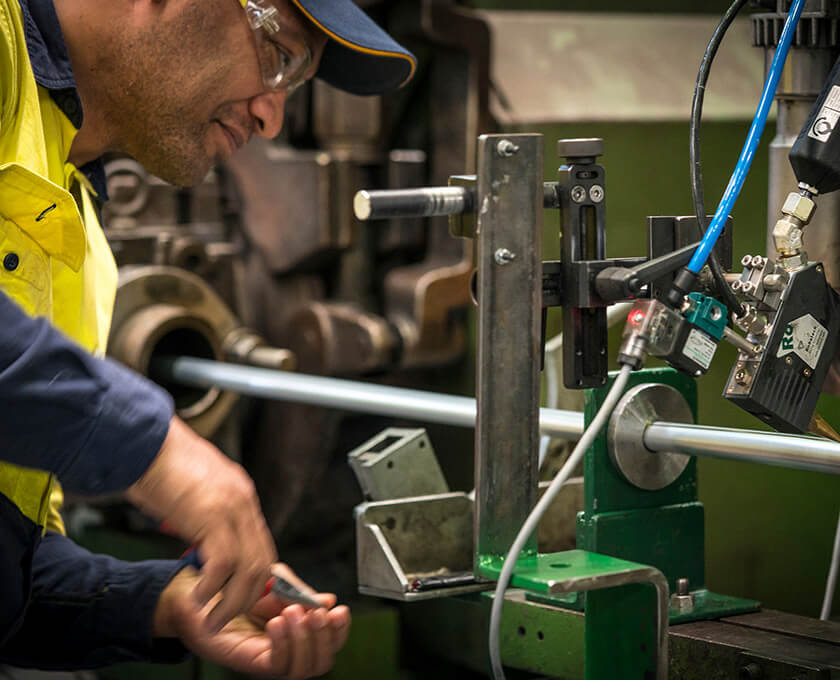
Aluminum Smelting

Play Video


Reducing Our Carbon Footprint


For nearly two decades, Alcoa has been actively engaged in efforts to reduce greenhouse gas (GHG) emissions. We’ve done this principally by reducing our own carbon footprint and delivering light, strong, and recyclable aluminum products that help our customers reduce their footprints as well.


While characteristics of aluminum and aluminum products have a significant role in reducing GHG emissions, the production of primary aluminum results in GHG emissions mainly due to the amount of energy required. The aluminum industry, including associated power production, is responsible for about 1% of all man-made GHG emissions. About half of the energy we use for our operations globally is fossil fuel-based.


We have been a leader in reducing GHG emissions from our operations for nearly two decades. In the early 1990s, we made our first voluntary GHG reductions. In 1998, we established a Climate Change Strategy Team that developed and promoted our first position on climate change, including our long-term goal to reduce direct greenhouse gas emissions by 25% below 1990 levels by 2010. Achieving that goal well ahead of schedule, we established a new goal to reduce 2005 levels of total carbon dioxide (CO2) intensity in our Global Primary Products business (refining and smelting) by 20% by 2020 and 30% by 2030.


We achieved a 23.1% intensity reduction in our Global Primary Products business through 2011. Due to that progress, we decided to bring forward our 2030 goal of a 30% reduction to 2020 and increase our 2030 goal to a 35% reduction.


The intensity reduction in 2011 came from repositioning our operations to take advantage of clean hydroelectric power, quickly sharing best practices to reduce process emissions, and targeting energy efficiency at every location. Our results were tempered somewhat by sporadic process instability and restarts in smelting capacity, which resulted in a slight increase in CO2 intensity due to perfluorocarbon (PFC) emissions. We continue to focus on process stability to minimize PFC emissions.


Our total 2011 greenhouse gas emissions (CO2 equivalents, or CO2e) equaled 47.25 million metric tons. Our direct emissions increased 3.7% over 2010 due to the instability and restarts.


Global Primary Products Greenhouse Gas Emission Intensity
Metric tons of CO2 equivalents (CO2e) per ton of production
  Refining Smelting Total
2005 Baseline 0.63  9.20  10.40 
2010 0.59  6.80  7.95 
2011 0.57  6.90  8.00 
2020 Goal     8.30 
2030 Goal     7.30 
Goal: 20% reductionProgress: As of Dec. 2011 
23.1%


Greenhouse Gas Emissions
Million metric tons of CO2 equivalents (CO2e)
  Direct Indirect Total
2007 31.3 26.3 57.6
2008 30.0 27.1 57.1
2009 26.0 19.8 45.8
2010 29.5 15.9 45.4
2011 30.6 16.6 47.3


We have refined our climate change strategy so we can adapt to specific outcomes emerging from business, technical, and legislative developments. Specifically, the strategy allows us to:

  • Incorporate the potential physical impacts of climate change into growth decisions and operational planning for existing assets;
  • Integrate carbon risk into capital planning and valuation of mergers and acquisitions; and
  • Establish a prioritized action plan for mitigating carbon risk and maximizing business opportunities.


Our strategy is supported by a quantitative model developed internally that allows us to forecast the impact of emerging legislative programs in terms of compliance requirements and the cost of energy. This model will be updated as timing and policy content evolves, and the output will be used to guide our strategic decisions on growth and deployment of capital.


Our actions in 2011 can be summarized around the six main elements of our strategy: emissions reduction; strategic energy decisions; stakeholder engagement; product and market evolution; climate adaptation; and policy engagement.


Emissions Reduction

A key aspect of our GHG emission improvement remains our ongoing pursuit of reducing perfluorocarbons (PFCs) in our smelting process. From a baseline year of 2005, we have reduced PFC emissions by 2 million metric tons. We continue to seek opportunities for further reductions in our operations’ direct emissions and aggressively explore opportunities to reduce energy intensity in each of our processes and the resulting indirect CO2 emissions.


As an indication of our commitment to these efforts, we included an annual target in our 2011 incentive compensation program that is based on CO2 emission reductions gained from process improvements and improved energy efficiency. The target focused on reducing anode effects in our smelters, which result in increased PFC emissions, and gaining incremental energy efficiency from all other operations. For reasons mentioned previously, we were challenged in 2011 to meet our targets for PFC reductions. We did achieve targets for incremental energy efficiency at the majority of our other businesses.


We continue to research transformational production technology that will reduce direct emissions, improve energy efficiency, or both. These technologies could have broad implications for the entire industry.


Because commercial application of these technologies will take some time, we are also exploring opportunities to develop or acquire carbon offsets in each region to help us meet eventual compliance requirements in the short term. Actions will involve self-managed projects, as well as partnership arrangements with credible organizations engaged in carbon offsets in strategic regions.


Strategic Energy Decisions

Equally important to our direct process emissions are the indirect emissions associated with the electricity we purchase, primarily in our smelting business.


Our global strategic energy group is constantly looking for ways to source our operating locations with low- or no-carbon-based generation. However, many regions in which we operate do not currently have low- or no-carbon options for energy. Another challenge is that we secure much of our electricity via long-term contracts, which reduces our opportunities to switch energy sources. Despite these hurdles, we continue to pursue opportunities to reduce the carbon intensity of the electricity we buy.


Today, about 66% of our smelter output is powered by hydroelectricity, both purchased and generated. We are committed to decreasing our reliance on fossil fuels by increasing the use of natural, renewable energy sources that help lower CO2 emissions.


In September 2011, we became one of the first manufacturing companies to sign on to the U.S. Department of Energy’s Better Buildings, Better Plants Challenge as one of our Clinton Global Initiative commitments. We join companies such as 3M, GE, and Nissan in setting goals for reducing energy usage across our company.


See the Energy section for additional information.


Stakeholder Engagement

We continue to seek out active discussion with global and regional stakeholders to help ensure we stay connected to both the needs and concerns of our various constituents and how best to address them.


Through partnerships with non-governmental organizations, nonprofits, civic groups, and industry associations, we gain greater insights. Some of our partners include the Center for Climate and Energy Solutions (formerly the Pew Center on Global Climate Change), the World Business Council for Sustainable Development, the World Resources InstituteThe Nature Conservancy, Brookings Institute, the Brazilian Business Council for Sustainable Development, the Business Roundtable, and the World Economic Forum Global GHG Registry.


We also participate in many external surveys of corporations and their efforts to address climate change and their carbon footprint. For example, we have participated in all six surveys performed by the Carbon Disclosure Project (CDP)—a nonprofit organization supporting institutional investors who seek to better understand climate-related risks and opportunities from the world’s largest companies. In 2011, we were named to the CDP Disclosure Index and were one of only 11 Fortune 500 companies named to the CDP Performance Index. (View Alcoa's survey responses.)


We aim to support the creation of standards that can be scaled to move the needle on emissions reduction. In China, we are working with the World Resources Institute (WRI) to identify opportunities for emissions reduction projects within coal-fired power plants and create a model for easier access to internal capital or bank financing for those projects. The project includes finalizing a GHG emissions calculation tool for coal-fired power plants and training a set of power companies to develop GHG emissions inventories. WRI will also refine and provide a financial screening tool to help these companies screen financially attractive energy-efficiency upgrades.


Our employees and the communities in which we operate are key stakeholder groups for climate protection. In partnership with Greening Australia, we launched the Make an Impact program in 2006 to empower our employees, their families, and their neighbors to actively reduce their carbon footprint. The program, which was expanded to the United States in 2008 through a partnership with the Center for Climate and Energy Solutions, features:

  • An interactive website with tips, tools, and resources on how to reduce energy bills and live more sustainably;
  • A custom-built carbon calculator featuring best practice individual carbon footprint analysis and action planning; and
  • A schools challenge involving more than 8,000 students across five U.S. states competing to reduce their environmental footprint and win dollars for their school.


By the end of 2011, more than one quarter of the Australian workforce and 3,500 of our U.S. employees were participating in Make an Impact. In the U.S. alone, employees, students, and community members identified 13.6 million kilograms (30 million pounds) of carbon dioxide reductions, which translates to US$7.5 million in total potential energy savings. This is equivalent to saving 5.7 million liters (1.5 million gallons) of gasoline or planting 350,000 trees.


View a video on how one Alcoa employee is making an impact in Australia. go


Product and Market Evolution

In recent years, we have increased our focus on helping key customers understand both the role that aluminum can play in the mitigation of global warming and the benefits of our products through product-specific life cycle analyses. These analyses show that the light weight, strength, and recyclability characteristics of aluminum-based products can create a clear advantage relative to other materials in terms of reducing or avoiding GHG emissions. See the Product Design & Life Cycle section for specific examples.


In 2010, Alcoa was one of a number of corporations that pilot tested a draft protocol for accounting and reporting GHG emissions across a product’s life cycle. The draft protocol was created in conjunction with the World Resources Institute (WRI) and the World Business Council for Sustainable Development (WBCSD). In 2011, the organizations published and launched the Product Lifecycle Accounting and Reporting Standard and the Corporate Value Chain Accounting and Reporting Standard.


We also have been actively promoting end-user recycling, working with local communities and governments to facilitate improvement in recycling rates. Our strategic goal is to increase the used beverage can recycling rate in the United States to 75% by 2015 and the global rate to 90% by 2030. In 2010, the most current year for data, the U.S. rate stood at 58% and the global rate at 73%. See the Recycling section for additional information on our efforts in this area.


Climate Adaptation

The potential physical impacts of climate change on our operations are highly uncertain and will be particular to geographic circumstances. These may include changes in rainfall patterns, shortages of water or other natural resources, changing sea levels, changing storm patterns and intensities, and changing temperature levels. These effects may adversely impact the cost, production, and financial performance of our operations.


To minimize the potential impact of changing climatic conditions, we have included additional considerations into the minimum design criteria for new facility construction. These criteria require broader analysis of future conditions that might necessitate the need for relocation and/or protection against climate-related impacts. For existing facilities, we incorporate the same process for any significant plant upgrades, and we review more thoroughly appropriate countermeasures during emergency-planning updates.


Policy Engagement

Our approach to climate policy involves working proactively with legislators in each region to ensure that the significant benefits of aluminum and aluminum products play a key role in climate solutions. Where appropriate, we also provided detailed analyses to the legislators to show the potentially devastating economic consequences that could result from climate legislation that does not properly address the potential for carbon leakage—the shifting of production and jobs from regulated to non-regulated regions of the world.


Our longstanding efforts to voluntarily reduce emissions have given us the credibility to provide practical input into the development of policy language. Accordingly, we are often invited to testify or collaborate with policymakers. In addition to our individual efforts to shape policy, we also engage with many industry groups where our interests are aligned. These include the International Aluminium InstituteThe Aluminum Association, the U.S. Climate Action Partnership (Alcoa is a founding member), and the Business Roundtable.


Case Studies

Project to Reduce Anode Effects Eliminates CO2 Emissions, Reduces Costs

Bacteria Consumes Refining Impurity in Alcoa-Developed Process

Alcoa Smelters Meet Challenge to Reduce Greenhouse Gas Emissions by One Million Tons Annually 

Related Links

Environment Overview

Alcoa of Australia Climate Change Update

Alcoa Fjardaál (Iceland) Climate Change Update

Make an Impact (U.S.)

Make an Impact (Australia)

Alcoa Unveils Partnership for Carbon Capture Technology Pilot Test Designed to Turn Emissions into Beneficial Commercial Products

Alcoa and Aluminum Play Major Role in New EPA/NHTSA Effort To Reduce GHG Emissions and Increase Fuel Efficiency