Sustainability ApproachSustainability of ProductsSustainability of ResourcesSustainability of Operations


Biodiversity 


Consistent with its environmental policy, Alcoa actively endorses the concept of biodiversity conservation by operating worldwide in a manner that minimizes effects on natural habitats and biological resources.
 
Preserving biodiversity is a key consideration in the planning for new operations and the modernization of existing facilities, as well as in the divestment of assets no longer operated, and the day-to-day management of lands we own. We seek to avoid sensitive areas when possible and to minimize the disturbance of original habitats. We also work closely with communities and authorities to restore lands we impact in the most productive way possible, including, where feasible, re-establishing pre-operating conditions.
 
Fluoride emissions control
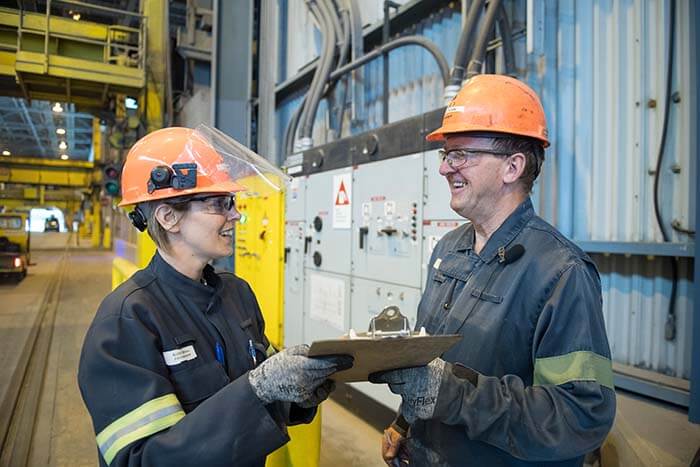
We have sampling, monitoring and emissions control programs in place at all major sources of emissions at all of our Québec facilities to minimize our impact on the environment.
 
We are particularly vigilant in controlling our production operations that may affect biodiversity through fluoride emissions. Independent inspections are regularly conducted of the vegetation around our aluminum smelters in Québec. The goal is to make sure that the fluoride emissions from these facilities do not negatively affect the vegetation around them. The concentration of fluorides in forage crops is also monitored in the areas around the Bécancour and Deschambault smelters. In addition, dental exams are performed every three years on dairy cows that graze on the agricultural lands surrounding the Deschambault Smelter. From its start-up, the latter entered into an agreement with the Union des producteurs agricoles (Farmer’s Union) regarding its environmental monitoring program.
 
10 Million Trees
We also proactively foster biodiversity. On Earth Day 2003, recognizing the essential role that trees play in the biosphere, Alcoa pledged to plant 10 million trees around the world. Alcoa Canada Global Primary Products has made its contribution by distributing almost 59,000 trees and shrubs to date.
 
Earthwatch Expeditions
By virtue of its support of the Earthwatch Institute, Alcoa can offer its employees and partners the opportunity to participate in Earthwatch expeditions around the world. While contributing to the body of knowledge needed to build a sustainable future, this hands-on contribution to field research offers participants a rich opportunity for personal development, creates solid relationships between environmental organizations and industry, and increases awareness of and appreciation for the Earth's ecosystems.
 
Manicouagan-Uapishka World Biosphere Reserve
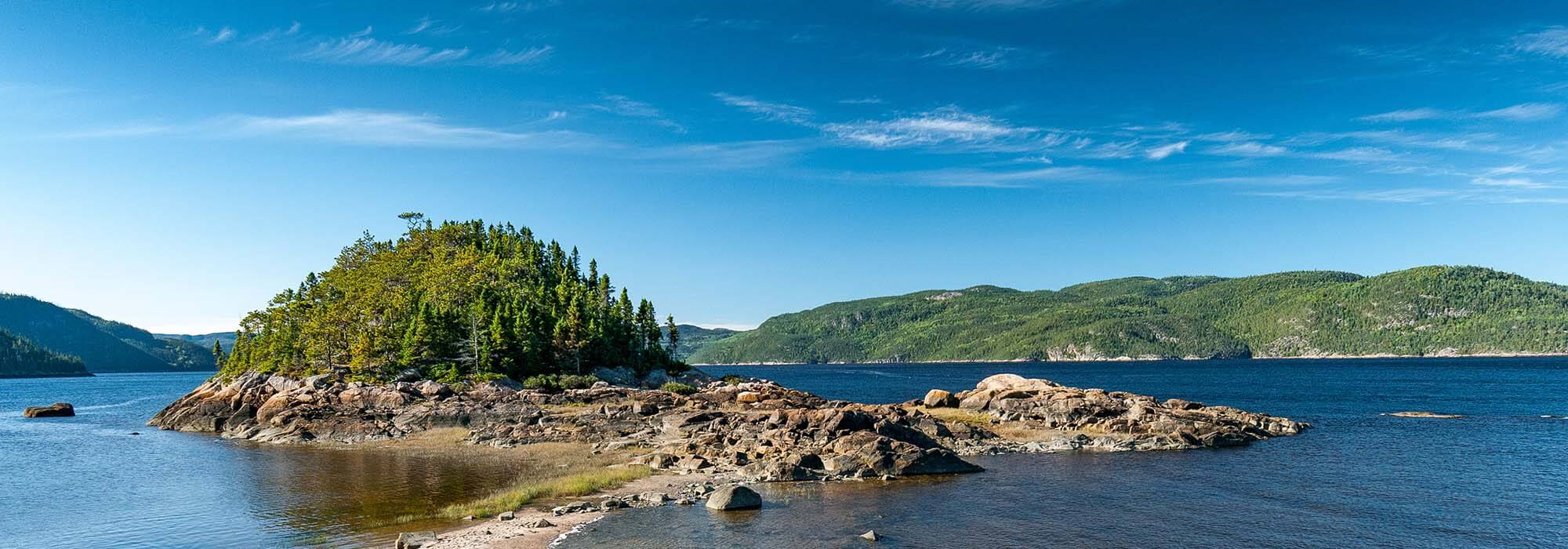
While none of our facilities are located within or in proximity to a protected area, the Baie-Comeau Smelter is situated near the Parc Boréal de Baie-Comeau and actually inside the Manicouagan-Uapishka World Biosphere Reserve (MUWBR), which was created in 2007. Alcoa sits on the sits on the MUWBR’s issue table and ensures, through financial and technical support, that the organization is able to fulfill its mission. The close and fruitful collaboration between the managers of this reserve and our people in Baie-Comeau has become an example for other WBR managers around the world who share their lands with an industrial operation.


Ten Million Trees  

Learn more about Alcoa's Ten Million Trees program
go


Since 2001, nearly 59,000 trees have been planted thanks to Alcoa's Ten Million Trees program

go


Earthwatch Diaries
Read the diaries of Alcoa employees participating in Earthwatch research projects around the world.
go 


Case studies 

Alcoa and the Manicouagan–Uapishka Biosphere Reserve (RMBMU) present their model of a fruitful partnership at UNESCO

go


Ecosystem services review of an aluminum smelter in a biosphere reserve

go 


All case studies

go