Letter from the President
In 2009, sustainable growth beats the crisis
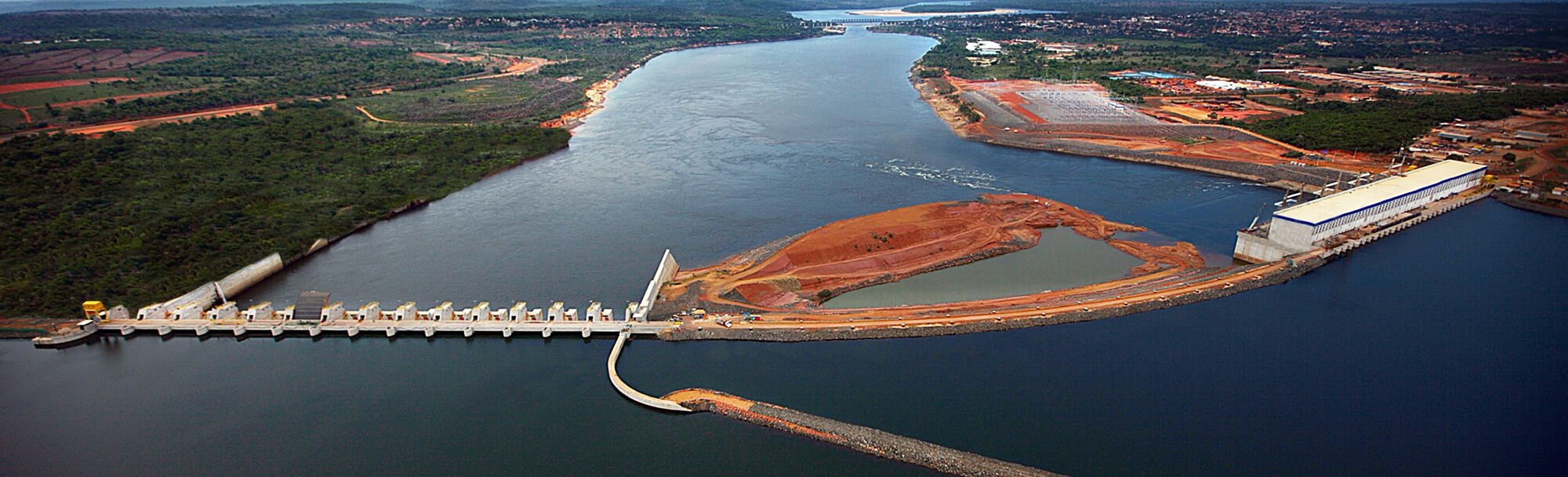
There is no denying that in all its 122-year history, and particularly during the 45 years it has been in Brazil, Alcoa has never faced as many challenges as it faced in 2009, to the point that many analysts defined the global recession of 2008/2009 as one of the most severe in recent history. This serious crisis heavily affected the aluminum industry: in the space of six months we saw the price per ton of aluminum plummet to less than 60% of its previous figure. Furthermore, the serious repercussions of this crisis in the financial market struck our company in Brazil just as we were in the middle of putting into place the biggest investment program that Alcoa has ever undertaken in any single country. But it is with enormous satisfaction that I can inform you that, despite all these challenges, Alcoa Alumínio S.A. has continued along its path of sustainable growth and reached important milestones along the way in questions of environmental responsibility, social justice and economic success. The material evidence of this sustainable growth is evident in the inauguration of two mega-projects, both of a structural nature: the Juruti Bauxite Mine, in the State of Pará, and the expansion of the São Luís alumina refinery, in the State of Maranhão. Furthermore, in 2009 Alcoa and its partners continued constructing another two hydroelectric power stations, the Serra do Facão and Estreito, which along with the Machadinho and Barra Grande hydro plants will supply approximately 70% of our electricity needs in Brazil. Just as important as the material result of these growth initiatives was the way in which these projects were carried forward. In all cases Alcoa showed that responsible growth is indeed possible, turning stakeholder engagement into reality and seeking to minimize our environmental footprint in an intelligent and aggressive way. In this sense, at various times and opportunities recognition came from respectable organizations and bodies and this is a great source of pride to us. But it was not only in these structural mega-projects that Alcoa showed its commitment to sustainability. In all our locations we work hard to hold dialogue with stakeholders; we have not always agreed with everything, but we always listen respectfully and create a bond that will undoubtedly prosper in the future. The focus of all our locations is on local and regional development. We work on managing and developing people and in particular on labor relations. A little while ago we launched a Program of Sustainable Purchases and set up an Innovation Committee.
We work constantly on access to energy and its efficient use and strengthen our environmental management of waste, effluents and emissions. We strive tirelessly to conserve natural resources and biodiversity. The challenges of 2009 did not pass us by unscathed. At the end of 2008, we chose to temporarily shut down one of our aluminum production lines in the Poços de Caldas Unit, in Minas Gerais, which reduced production at this plant by one third. Whenever possible we seek to preserve jobs, because we truly believe that Alcoan men and women make a difference. In this sense we have benefited from the Brazilian macroeconomic environment, because for the first time in decades Brazil came out in front in this crisis, with growth rates that have been the envy of the so-called industrialized world. Globally, Alcoa introduced a new way of viewing business sustainability that focuses on resources, operations and products. We actively support the WBCSD (World Business Council for Sustainable Development) in the construction of its Vision 2050, which points in the direction in which our society would like to go. We took part in the COP-15 Conference of Parties, held in December 2009 in Copenhagen, Denmark, and we, like most of the world, were disappointed with the effects of the meeting, but aware that the issues discussed there remain important. Looking forward, we still have major challenges. The biggest of them is to stabilize the functioning of our new industrial units. These are complex operations, full of inter-relationships, and making these relationships work satisfactorily is no easy task. Brazil has the third largest reserves of bauxite in the world and various investment opportunities in clean energy from sustainable sources. It is also our challenge to continue looking for new possibilities for sustainable growth. We are also committed to making our sustainability strategy clearer. We have worked hard in-house to align our values linked to the environment and social responsibility and to deepen the dialogue with our stakeholders. We know that dialogue is fundamental and we have made every effort to do so. I would, incidentally, like to take advantage of this space to thank all those stakeholders who participated in the listening round we engaged in at the beginning of 2010, and that is described in this report. In conclusion, if 2009 was, in short, a challenging year, it was above all the mark of yet another new beginning, and a reflection of this is in your hands right now. This year we have decided to present a somewhat slimmer sustainability report, but one that gives the reader the chance to seek out other sources of information connected to the subjects here presented, and for the first time our social and environmental data have been audited. I hope this publication will enable all of you to better understand our actions and commitments. Happy reading!
Franklin L. Feder
President of Alcoa Latin America and the Caribbean