Alcoa in Australia
 
September 5, 2006

Alcoa’s university and community engagement partnerships

By Wayne Osborn, Managing Director, Alcoa of Australia

Parliament House, Canberra

Launch of  the Australian Universities Community Engagement Alliance


Distinguished guests, ladies and gentlemen
 
It's an absolute delight to be here this evening for the launch of the Australian Universities Community Engagement Alliance.
 
Community engagement and partnering with universities is very important to Alcoa.  It’s my belief that it has been a key part of Alcoa's success, sometimes an understated part, and one that should be recognised.
 
I’ll also speak tonight about some of our contemporary partnerships with universities; how we engage with communities; and the role of volunteering as we see it in our organisation.
 
Alcoa operations
 
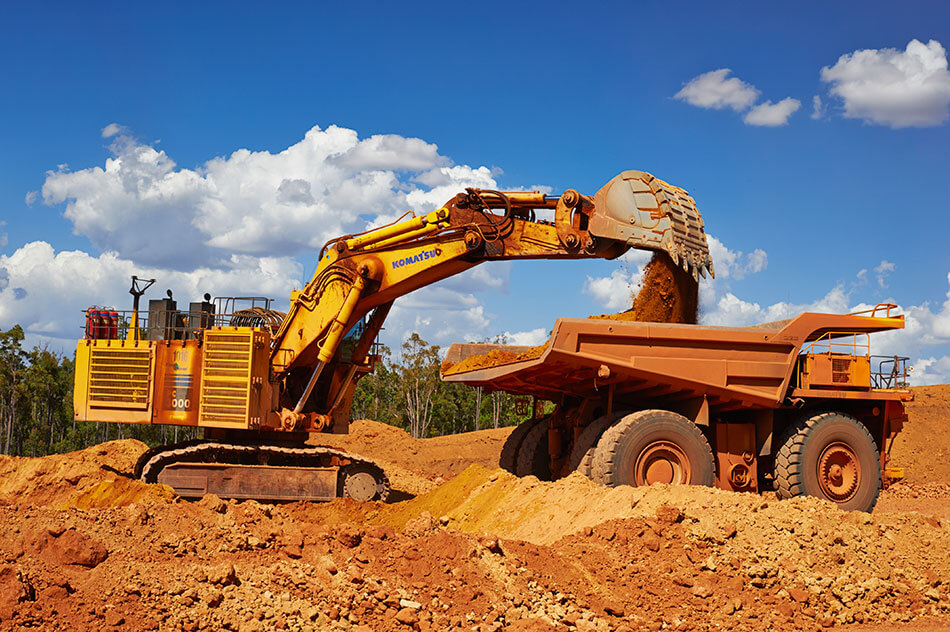
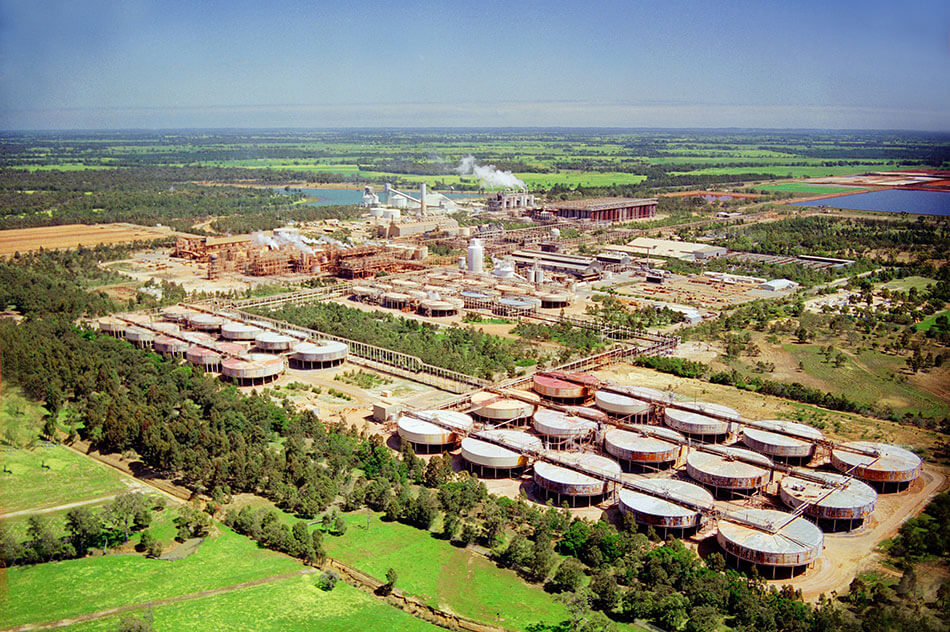
In Western Australia, Alcoa is involved in mining bauxite and refining it into aluminium oxide or alumina.  We produce about nine million tons of alumina annually, supplying about 13% of the world market
We also generate power for the refineries, using natural gas and cogeneration which means that we also supply the thermal needs of the refinery as well as the power needs, and feed surplus electricity into the grid.  Through co-generation we achieve the most effective use of a fossil fuel, at 75-80% thermal efficiency.
 
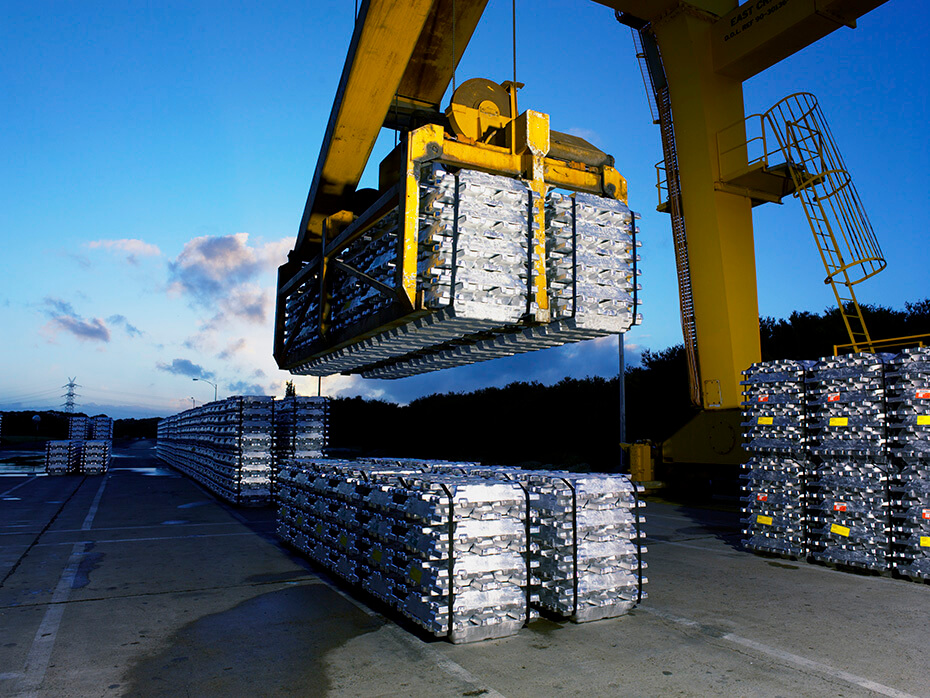
.In Victoria, we have two aluminium smelters producing about half a million tons of aluminium and we also roll aluminium sheet for the Australian and the Asian market. In New South Wales, we also have a rolling operation and, and very importantly, operate the largest recycling centre for aluminium in the southern hemisphere.
 
University partnerships
 
We have been involved in university partnerships since we first established our Australian operations, going back over 40 years. When we started our operations in Western Australia, we had two major issues.  Firstly our process plant was designed for processing a soft Caribbean bauxite which is almost a material that would transform itself into alumina if you gave it a stern talking-to.
 
But in Western Australia, we had some of the world's most recalcitrant bauxite to deal with.  When we put our first plant on line, holes appeared in the infrastructure within about six hours.  So we had a lot of work to do.
 
The good part of that was that it stimulated a need for us to build our own research and development capacity within our organisation, which we have done.  Today we have a significant research and development department with about 80 people  including a gaggle of PhD's. They’ve become Alcoa's global experts in mine site rehabilitation and alumina processing.  They provide that service for Alcoa's operations all over the world. And we spend about $20 million a year on research and development.
 
Our partnership with Western Australia's universities, our growth together, and our increased understanding of minerals processing, has been very important.  And I don't think we could have done that without the intellectual nourishment and the interaction of the universities.
 
Today we see that partnership commitment represented in our participation in Cooperative Research Centres with a focus on cleaner production. 
 
One of our early university collaborations in the 1970s resulted in Professor David Boger winning the Prime Minister’s Prize for Science just last year. That collaboration was related to the study of fluid mechanics.  It actually changed the way we store alkaline residue, and gave us a much better environmental outcome associated with that.
So, these are some of the important concrete benefits of partnerships.
 
Mine rehabilitation
 
The second early challenge for us was that we were mining in the world's only Jarrah forest; virtually on Perth's back door. 
 
Unbelievably, our license didn't require us to do any rehabilitation whatsoever.  We could have just left pits there.  But that was never going to be sustainable and we didn't have to think for very long about that.
 
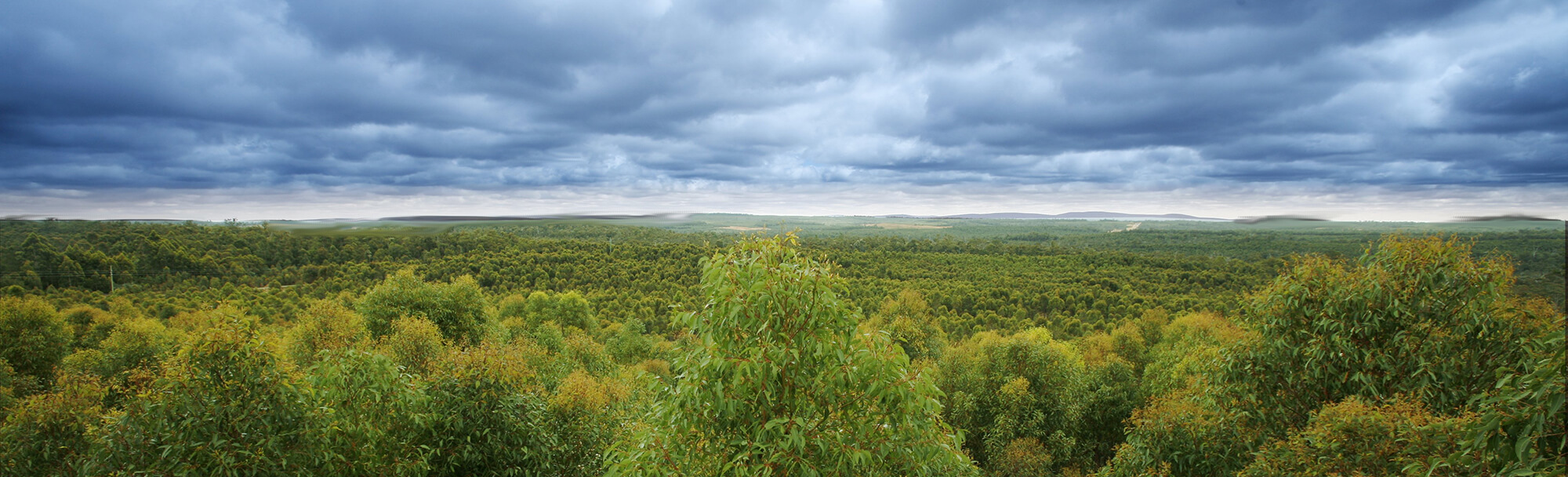
Today we have an ability to return all species and achieve full flora biodiversity in our mine site rehabilitation.  That has been a really long journey from the time when people told this could never be done.
 
We've had a long association with Kings Park, the Western Australian universities and the environmentalist specialists tell us they've separated species into three types - the difficult to rehabilitate; the recalcitrant to rehabilitate, and the very recalcitrant to rehabilitate.
 
That sounds a little facetious, but this journey actually found new insights into the science of how seeds germinate.  And it went from the understanding of the role of fire to the understanding of the role of smoke to the understanding of particular enzymes.
 
That research now has some fundamental applications broadly across agriculture.  So it's a fantastic part of the journey.
 
We spent our first 25 years not returning a dividend to our investors.  We actually put it all back into growth.  And when we started to put our head up after that period, we recognised it was time we needed to make a contribution back to the community.
 
We also recognised that the expertise we'd developed in mine site rehabilitation, actually had application to dry land salinity and land degradation issues.  And at that point in time we, we got involved not just in a monetary sense, but also by providing technical support to the Landcare movement.
 
We've had an association with Greening Australia which goes back more than 20 years.
 
In 1990, the work we'd done in mine site rehabilitation also resulted in the United Nations Environmental Program adding us to its Global Roll of Honour - the only mining company to have been included on that roll.
 
As I look back on that history, I don't think we could have achieved what we've achieved without the interaction with universities.
 
Conservation and Sustainability Fellowship
 
I'd like to now touch on some of the contemporary partnerships with universities.
 
Perhaps one of the most exciting programs is one that was unveiled just last year, the Conservation and Sustainability Fellowship Program. 
 
The program has been established by our philanthropic foundation, the Alcoa Foundation.  It's a $US8.6 million program over five years and has five universities associated with it: the London School of Economics; the University of Michigan; the University of Sao Paulo in Brazil; the Tsinghua University in Beijing; and Curtin University in Western Australia. Ninety fellowships will result from this program. 
 
The particular focus of the Curtin program is on the south coast of Western Australia; one of 25 biodiversity hot-spots in the world. The program is titled Sustaining Gondwana and intends to map vegetation, communities, land tenures, land usages, and with that we'll then project the changes that are anticipated for these various natural environments, and hopefully ensure that we are able to retain what's very important for us overall.
 
The Conservation and Sustainability Fellowship program is a program that also wants people to collaborate, not just in Australia, but around the world.  The research ranges from climate change, impacts on mangroves and coral reefs in Kenya; integrated marine conservation in Chile; sustainable fishing in Costa Rica and Panama; and eco-industrial planning in rural China.
 
So it has a broad canvas to paint on.  And in November of this year, we're going to bring everybody involved with that program together in Brussels to share their experience and knowledge.
 
I'm really looking forward to see what that program brings to bear in future years.
 
A program we've established recently was with Curtin University again in Western Australia, where we've sponsored a research chair for stronger communities. That's all about understanding what makes communities functions; how do you work with communities; and where are the issues and what can you do ahead of time?  We're very pleased to be involved in a program which is looking at these social aspects.
 
River Recovery
 
I mentioned Greening Australia a minute ago.  Just a few weeks ago I was here at Parliament House to launch another important community-based partnership, the River Recovery Program. It’s an alliance between Greening Australia, the Federal Government and Alcoa,  focused on improving the health of Australia's rivers. 
 
River Recovery includes a round table of leaders from government, from science, from universities, communities, and business, and we're looking to them to provide strategic leadership and mobilise additional resources, as we work on key issues to restore the environmental health of rivers that are very important to this nation.
 
It's a great program and Greening Australia is a fantastic group that works at the grassroots with communities.
 
Community engagement
 
Alcoa’s own community engagement operates on a number of levels.
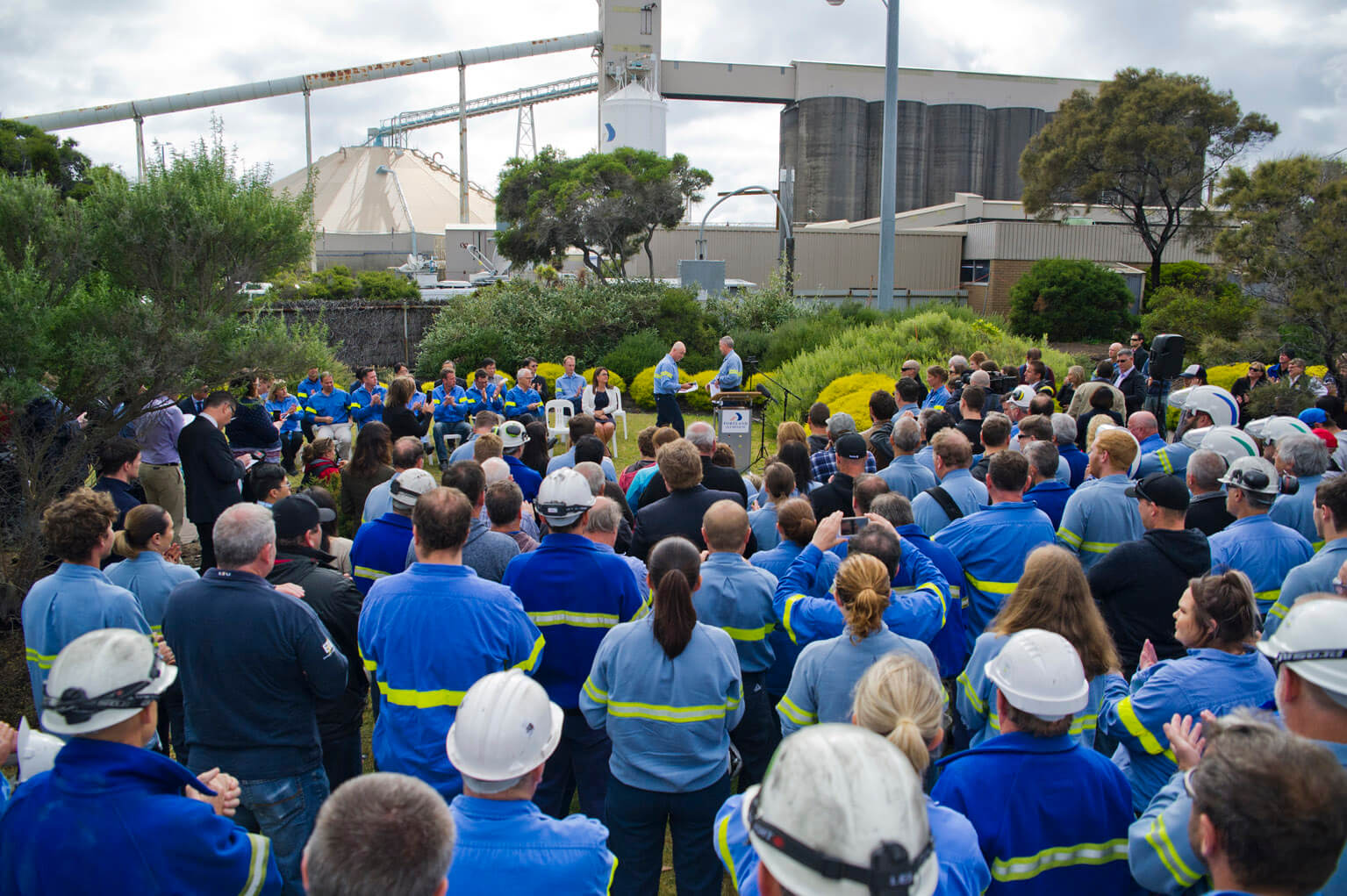
Our operating locations tend to be large, with 700 to 1200 employees at each of our facilities so  there's a really high degree of inter-dependence between us and those communities and we're dominant in some cases, whether we like it or not, economically..
 
At each of our locations, we require a community consultative network to be set up and  sponsored by the location manager.  We ask that the network have an independent chair; that they meet monthly; and they share information, but also act as a forum to resolve issues.
 
And it's not always smooth sailing.  Some of these work very well.  Others get to deal with some pretty tough issues from time to time.  But we find that process of engagement is very important for us overall.
 
Again, when we're involved with new projects, we extend that and we look at the triple bottom line aspects of new projects. So we look at not just environment, but also the economic and social impacts, which gives us a great opportunity for dialogue with the community.
 
Volunteering
 
Volunteering is another important part of what we do, and I think we tend to under-estimate the amount of volunteering that goes on within our various organisations.  We formally support volunteering through two major programs called ACTION and Bravo!.
 
If 10 or more employees work on an ACTION project in the community, we donate $US3,000 to that particular project.  Last year we had 40 of those ACTION projects.
 
We also have another program called Bravo where if an individual employee gives 50 hours of their time to a community organisation, we'll also give the organisation a grant of $US250.  In Australia again last year we had 713 Bravo grants.  If you think about that in the context of our 6,000 employees, 713 of them qualified for a grant. 
 
Altogether they registered almost 83,000 hours of community volunteering, and we know that's under-stating what really occurs.
 
In closing, I’d like to underline that our interaction with universities has been a key part of Alcoa's success in the last 40 years in Australia, and we look forward to it continuing to be a key part of our success as we go forward.

Copyright © 2008 Alcoa Inc.
country sites

customer login