alcoa.com

Alcoa in Australia
Our Challenges 
Overview
Climate Change
Residue Management
Residue Overview
Long Term Residue Management Strategies
Residue Reuse
Residue Dust
Residue Rehabilitation
Groundwater Protection
Residue & NORM
Useful Links
Energy Management
Land Management
Community Understanding of Health & Wellbeing
Alcoa of Australia Residue Management
 
Overview
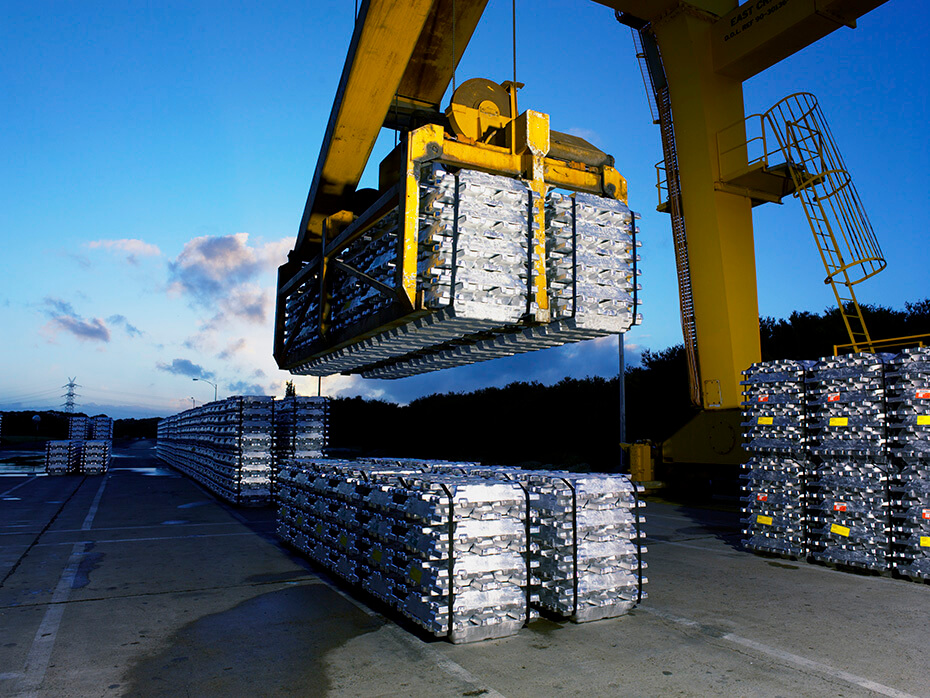
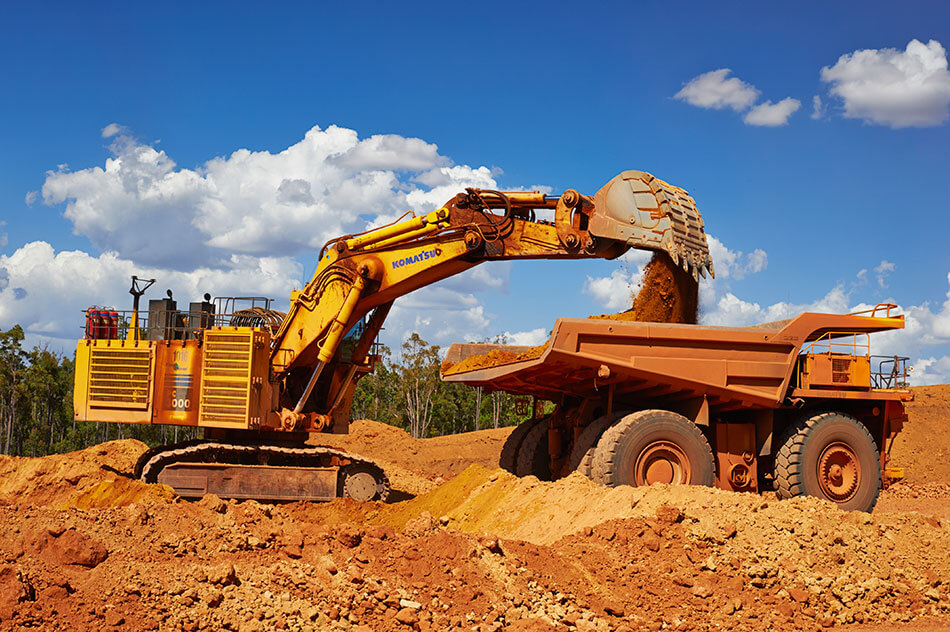
Residue, or tailings, is a fact of life for any type of minerals processing industry.  The basis of all minerals processing industries is to extract a component of value from an ore body.  What remains after the component has been extracted is the residue. The alumina industry is no different.  Every six tonnes of bauxite makes two tonnes of alumina, and every two tonnes of alumina makes one tonne of aluminium. This means there is a significant generation of residue in the process of converting bauxite ore into alumina, and alumina into aluminium metal. 
 
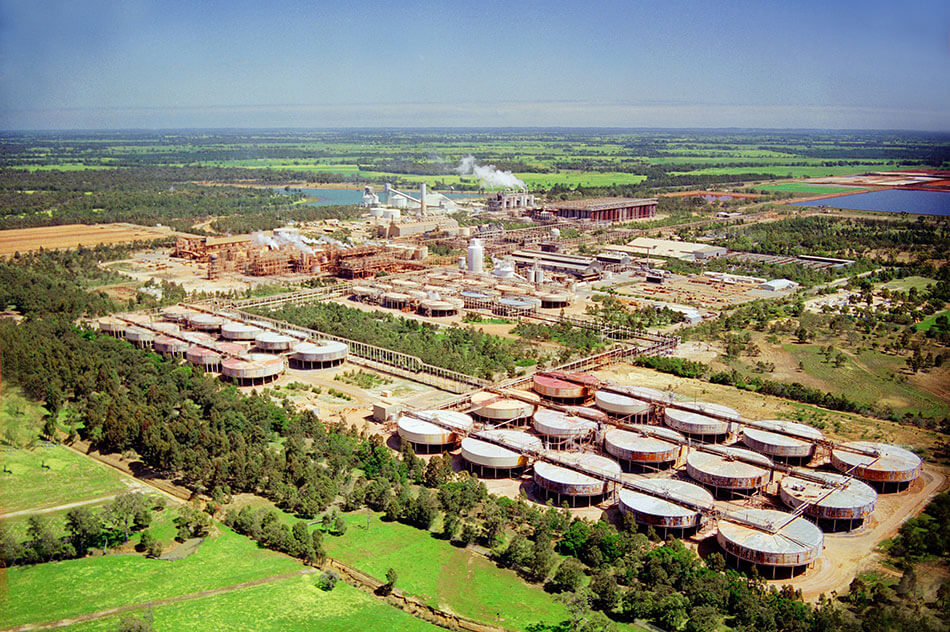
Alcoa of Australia’s residue is made up of two components of roughly equal quantity – sand and mud. Much of the sand is reused for construction of and within the residue drying areas (often called residue storage areas). The residue mud is dried in layers within our storage areas. As it dries, more mud is laid on top to form a residue stack.
 
Apart from the reuse of residue sand, which is already happening within our operations, Alcoa is also focused on developing and commercialising strategies to reuse our residue mud and sand externally. 
 
In Western Australia the low grade of the bauxite ore, compared with other locations around the world, makes sustainable residue management an even bigger challenge here. The lower the alumina content in the ore, the larger the amount of residue produced.
 
The main challenges for Alcoa of Australia around our residue drying areas are:
 
  • The size of our storage areas
  • Their location in relation to neighbours
  • Dust
  • Visual amenity
  • Community perceptions and community access to factual information about residue.
 
Residue drying areas are ‘fields’ of what looks like mud or clay. The mud is generally not visible outside Alcoa’s operations because it’s contained within engineered embankments.  Alcoa rehabilitates the embankments which are visible to the community, and in some cases it can take many years to form an effective visual screen.
 
As we produce more alumina, our residue areas obviously become larger.  One of our challenges is to find sustainable ways of reusing residue as a by-product which will ultimately reduce the amount of residue we need to store long term.
 
Alcoa’s global research and development group, based at Kwinana in Western Australia, has designed a 'Carbon Capture' process whereby bauxite residue can be treated with waste carbon dioxide.  The process neutralises the alkalinity of the residue, which both lowers the environmental risks associated with long-term storage and opens the door for future reuse in other applications.  This has been a significant breakthrough for the alumina industry. 
 
The potential for dust to be generated from the surface of our residue storage areas as they dry poses another significant challenge and Alcoa of Australia goes beyond our environmental licence conditions in relation to dust management. Our primary form of dust control is via a comprehensive network of sprinklers over the storage areas, which keeps the surfaces moist to prevent the wind picking up fine dust particles.  Read more  about our many other dust control measures.
 
Finally, there are a number of misconceptions about residue within the community which present challenges for Alcoa of Australia and highlights the importance of Alcoa of Australia making available factual information about our residue operations.  One of these misconceptions is that bauxite residue is “radioactive”, and/or contains dangerous levels of radioactive elements.  However, residue is not radioactive by any accepted definition, and it does not contain levels of radioactive material that provide any cause for health concerns. Read more.

Click through the links to the left to find out more about all of the above.


Copyright © 2009 Alcoa Inc.
country sites

customer login