alcoa.com

Alcoa in Australia
Bauxite Mining 
Our LocationsMine Lease, Planning and ApprovalsThe Mining and Rehabilitation ProcessEnvironmental ManagementCommunityOur PeopleHistoryNews and Events
Rehabilitation & Biodiversity
Rehabilitation Sustainability
Fauna Return Management
Fauna Diversity
Fauna Habitats
Fauna Monitoring Programs
Dieback Management
Noise Management
Water Management and Conservation
Water Catchment Protection
Pollution Prevention
Air Quality
Waste Management
Research
Environmental Leadership and Outreach
EIP
Fauna Return Management
 
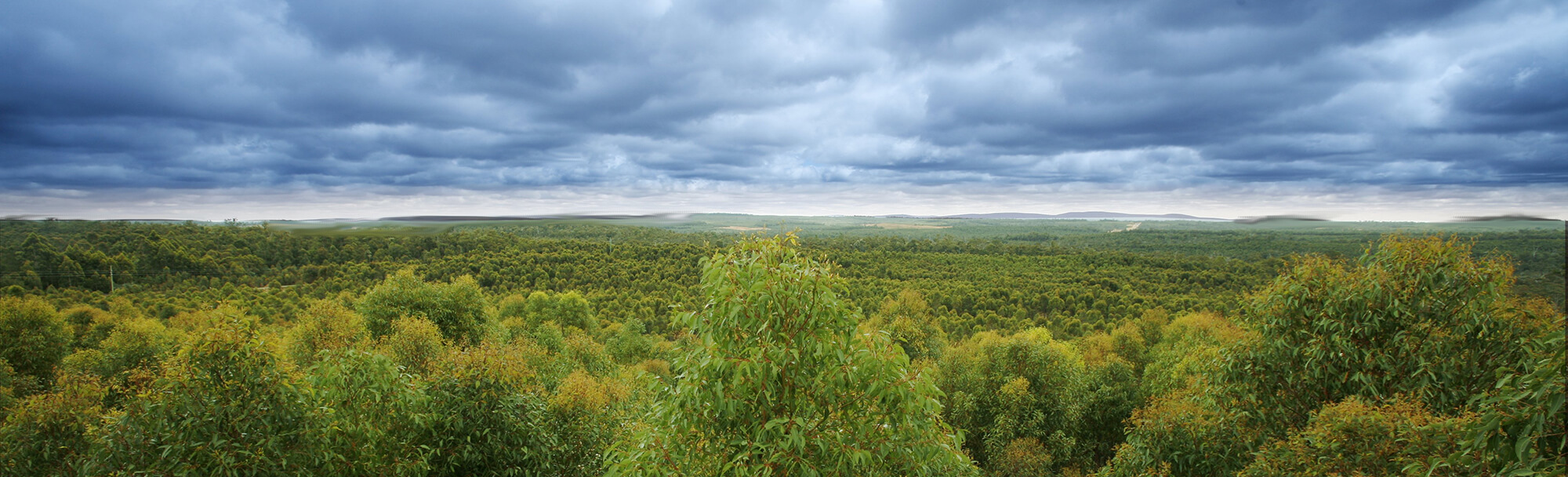
Western Australia’s jarrah forest is home to a rich array of fauna, many of them unique to the south west of Western Australia.
 
Effective fauna management involves minimising impacts on fauna species which inhabit areas surrounding mining operations and maximising the potential for recolonisation following mining operations.
 
There are several fauna management activities undertaken by Alcoa.  These are outlined below.
 
Pre-mining fauna surveys
We undertake pre-mining fauna surveys before entering a new mining region to identify what animals are present in the area, including any declared rare or endangered fauna species. Fauna management plans are developed to minimise the effect of mining operations on any identified declared rare or endangered species. 
 
Alcoa also looks for opportunities to modify mine plans to minimise the impact of mining operations on animal movements.  For example, we are currently designing a fauna friendly stream zone crossing at the Huntly Mine to allow fauna movement across mining haul roads.
 
Fauna monitoring in rehabilitated areas and unmined forest
Alcoa established a long-term fauna monitoring program in 1992.  This program involves ongoing monitoring of more than 30 sites.  The monitoring program studies mammals, birds, reptiles and ants every three to five years in healthy forest, dieback affected forest, stream zones and rehabilitated areas.  We also have separate targeted monitoring programs for arboreal mammals (i.e. the brush-tailed phascogale) and frogs.
 
Results from monitoring and research have shown that 100 per cent of mammal species, 90 per cent of bird species and 89 per cent of reptile species, that inhabit upland parts of the forest where mining occurs, have recolonised rehabilitated areas within 10 years.  Current research is focussing on reptile species that have more specialised requirements for food or shelter and which are slower to recolonise rehabilitated areas, to determine how their return may be accelerated.
 
Return of fauna habitats to rehabilitated areas
Rehabilitated areas are young developing ecosystems and they lack large woody debris and tree hollows required by some animal species. To overcome this limitation, fauna habitats are constructed in new rehabilitated areas using wood residue and rocks. The optimum density an type of fauna habitat are currently being investigated through a long-term research trial established in 2006-07.
 
Funding fox baiting of the broader forest
Alcoa was the major sponsor of the pilot fox baiting research program ‘Operation Foxglove’.  Following this program’s success, Alcoa now provides funding to the Department of Environment and Conservation (DEC) to undertake fox baiting in the northern jarrah forest through the ‘Western Shield’ program.  Fox baiting has been extremely successful and has seen the recovery of populations of many native animals such as the mardo and chuditch.
 
Translocation of animals
The tammar wallaby, bandicoots and mardos have been translocated into rehabilitated areas, while the noisy scrub-bird has been translocated into stream zones adjacent to rehabilitated areas. Translocations re-introduce species and aid population recovery in conjunction with fox baiting.
 
Fauna research
Over the years, Alcoa has sponsored many honours and PhD research projects. In 2008-2012, Alcoa will undertake a large research project with Murdoch University and DEC.  This project will build upon the existing knowledge of fauna succession in restored mines, and the effect of forest management operations such as fire and tree thinning on fauna populations. This knowledge will help Alcoa to continue to develop restoration techniques that maximise and accelerate fauna return after mining


small mammal on log

Click image to enlarge.


Created habitat from logs and rocks encourage a greater abundance of native marsupials such as the Mardo.

Copyright © 2009 Alcoa Inc.
country sites

customer login